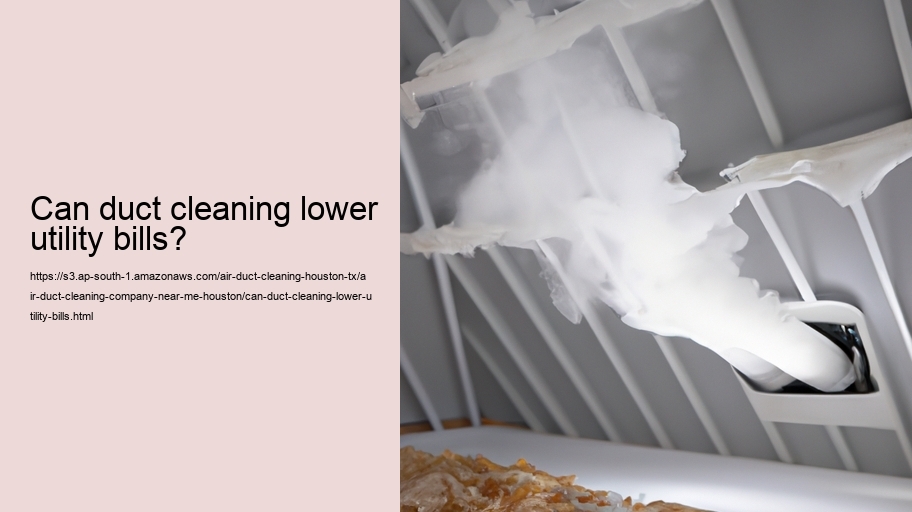
Analyzing the Impact of Clean Ducts on HVAC Efficiency
Analyzing the Impact of Clean Ducts on HVAC Efficiency: Can Duct Cleaning Lower Utility Bills?
How do I avoid scams when hiring a duct cleaner in Houston? .
When considering the various factors that contribute to the efficiency of a homes heating, ventilation, and air conditioning (HVAC) system, clean ductwork often surfaces as a potential variable. The question at the heart of this discussion is whether duct cleaning can indeed lower utility bills by enhancing the performance of an HVAC system. To address this, we must delve into the mechanics of HVAC systems, the nature of ductwork, and the potential benefits of keeping these conduits free from debris and contaminants.
HVAC systems are designed to circulate air throughout a home, providing comfort by heating or cooling interior spaces. The ductwork serves as the vascular system of this apparatus, channeling air to various rooms. Over time, ducts can accumulate dust, pet dander, pollen, and other pollutants. This buildup can restrict airflow, forcing the HVAC system to work harder to push air through the obstructions. The harder a system must work, the more energy it consumes, which in turn can lead to increased utility bills.
The premise behind duct cleaning is simple: by removing the buildup within ducts, you can restore airflow to its optimal state, ensuring that the HVAC system operates efficiently. In theory, an efficient system uses less energy, which should be reflected in lower utility costs. However, the actual impact of duct cleaning on energy savings is not always straightforward.
Several studies have investigated the correlation between duct cleaning and energy efficiency. The U.S. Environmental Protection Agency (EPA) states that a thorough cleaning of the entire HVAC system, including ductwork, can help improve efficiency, but evidence supporting a significant reduction in energy usage as a direct result of duct cleaning is limited. The EPA suggests that duct cleaning is most beneficial when there is substantial visible mold growth inside the ducts, ducts are infested with vermin, or ducts are clogged with excessive amounts of dust and debris.
It is also vital to consider other factors that influence HVAC efficiency. For instance, the age and condition of the HVAC equipment, the quality of insulation in the home, and the presence of leaks in the ductwork can all play significant roles. Addressing these issues in conjunction with duct cleaning can provide a more comprehensive approach to enhancing HVAC efficiency and potentially lowering utility bills.
In conclusion, while clean ducts are certainly a component of a well-functioning HVAC system, the extent to which duct cleaning alone can lower utility bills remains a topic of debate. Homeowners should approach duct cleaning as one element of a broader energy-efficiency strategy. Regular maintenance of the HVAC system, sealing leaks in ducts, ensuring adequate insulation, and timely replacement of filters are all critical practices that, together with duct cleaning, can help optimize system performance and possibly lead to reduced energy costs. It is advisable to consult with HVAC professionals to get a tailored assessment of the potential benefits of duct cleaning for a specific home.
The Correlation Between Duct Cleaning and Energy Consumption
The notion that clean air ducts in your home or business can lead to lower utility bills is an appealing proposition for any cost-conscious individual. But what is the actual correlation between duct cleaning and energy consumption? To understand this, we must delve into the mechanics of HVAC systems and the impact that airflow has on energy efficiency.
Firstly, the primary function of air ducts is to distribute conditioned air throughout a building. Over time, these ducts can accumulate dust, debris, pet dander, and other pollutants, which can obstruct airflow. When the ductwork is dirty, the HVAC system must work harder to push air through the resistance caused by the buildup. This extra effort translates to increased energy consumption because the system has to run longer and at higher intensities to achieve the desired indoor temperature.
By having a professional clean your ducts, the system can operate more smoothly. Clean ducts can improve air flow, which means the HVAC unit does not have to strain as much to circulate air. This can potentially lead to a reduction in the energy required to heat or cool a space, thereby lowering your utility bills. The efficiency gains from duct cleaning can be particularly noticeable in systems that have not been maintained for an extended period and have accumulated significant blockages.
However, the degree to which duct cleaning affects energy consumption can vary. If the ducts are relatively clean to begin with, the difference in energy usage before and after a cleaning might not be substantial. Moreover, the age and overall condition of the HVAC system also play a critical role. Older systems that are not well-maintained might not see as much of an energy usage reduction from duct cleaning alone.
Its also worth mentioning that while clean ducts can help improve efficiency, they are just one part of a broader system. Regular maintenance of the entire HVAC system, including changing filters, servicing the furnace and air conditioner, and ensuring proper insulation, is vital for optimizing energy consumption. Duct cleaning should be part of a comprehensive approach to maintaining your HVAC system.
In conclusion, while duct cleaning can contribute to lower utility bills by improving airflow and reducing the workload on your HVAC system, it is not a guaranteed way to cut energy costs. The actual savings will depend on the condition of your ducts, the age and state of your HVAC system, and how well you maintain the entire system. For the best results, consider duct cleaning as one component of a regular maintenance routine designed to keep your HVAC system running efficiently.
Cost-Benefit Considerations of Duct Cleaning Services
When considering whether to invest in duct cleaning services, homeowners and property managers often weigh the potential benefits against the costs involved. One of the touted benefits of duct cleaning is the possibility of lowering utility bills, which can be an enticing prospect for anyone looking to reduce their monthly expenses. In this short essay, well explore the cost-benefit considerations of duct cleaning services in the context of their impact on utility bills.
The basic premise behind the idea that duct cleaning can lower utility bills lies in the efficiency of the heating, ventilation, and air conditioning (HVAC) system. As dust, debris, and other contaminants accumulate in the ductwork over time, they can obstruct airflow and cause the system to work harder than necessary to maintain the desired indoor temperature. This extra strain on the system can lead to increased energy consumption, which in turn results in higher utility bills.
Duct cleaning services aim to remove these impediments, potentially restoring the HVAC systems efficiency. In theory, a clean system would not have to labor as intensively to circulate air, which could lead to energy savings. However, the actual impact on utility bills can vary depending on a number of factors, such as the age and condition of the HVAC system, the extent of the contamination, and how well the system is maintained overall.
The costs associated with professional duct cleaning services can range from a few hundred to several thousand dollars, depending on the size of the duct system and the level of service required. This upfront cost can be significant, so it is important to consider whether the potential savings on utility bills justify the investment. For instance, if the ductwork is relatively clean and the system is well-maintained, the immediate cost savings might be minimal. On the other hand, if the ducts are heavily obstructed and the system is struggling to operate efficiently, the potential for cost savings on utility bills could be more substantial.
It is also worth noting that while duct cleaning might contribute to some level of increased efficiency, it is not a cure-all for high utility bills. Other factors, such as insulation, windows, and the efficiency of the HVAC unit itself, play critical roles in determining overall energy consumption. Therefore, its advisable to take a holistic approach to energy savings, which might include duct cleaning as one component of a larger energy efficiency plan.
In conclusion, while there is a possibility that duct cleaning can lead to lower utility bills by improving the efficiency of an HVAC system, the cost-benefit analysis is not straightforward. Homeowners should consider the condition of their ductwork, the potential for improved efficiency, and the overall costs of the cleaning service. Consulting with HVAC professionals and conducting a thorough assessment of the homes energy usage can help in making an informed decision about whether duct cleaning is a financially prudent choice in the quest to lower utility bills.
Long-Term Savings: The Potential of Regular Duct Maintenance to Reduce Utility Bills
The concept of long-term savings encompasses various strategies and actions that individuals and households can undertake to reduce expenses and conserve financial resources over an extended period. One such strategy is regular duct maintenance in homes and buildings, which often goes overlooked as a potential source of savings. The question posed is whether duct cleaning can indeed contribute to lowering utility bills. Lets explore this potential by examining the mechanisms through which duct maintenance can impact energy efficiency and financial expenditures.
Air ducts are conduits responsible for the distribution of heated or cooled air throughout a building, directly affecting indoor air quality and climate control. When air ducts are clogged with dust, debris, and other contaminants, the heating, ventilation, and air conditioning (HVAC) system must work harder to push air through the ductwork. This increased workload can lead to a rise in energy consumption, as the system requires more power to maintain desired temperatures.
Regular duct cleaning can mitigate these issues by removing the buildup that impedes airflow. Clean ducts allow air to circulate freely and efficiently, reducing the strain on the HVAC system. When the system operates under less stress, it does not only perform better but also uses energy more judiciously. Consequently, this can be reflected in lower monthly utility bills because the system consumes less electricity or fuel to achieve the same level of climate control.
Furthermore, well-maintained ductwork can extend the lifespan of an HVAC system. A system that operates in optimal conditions is less likely to suffer from wear and tear caused by overworking, potentially saving homeowners from expensive repairs or replacements that would otherwise occur prematurely. Preventative maintenance, including duct cleaning, can be a cost-effective measure when compared to the financial burden of major HVAC malfunctions.
Another aspect to consider is the health benefits of clean air ducts, which, while not directly related to utility bills, can lead to indirect savings. Improved indoor air quality can reduce health problems associated with poor air, such as allergies and respiratory issues. This can mean fewer medical expenses and less time off work or school, contributing to overall financial well-being.
In conclusion, regular duct maintenance, including periodic cleaning, holds the potential to reduce utility bills by enhancing the efficiency of HVAC systems. By ensuring that air can flow without obstruction, duct cleaning helps to lessen the energy demand of climate control systems, leading to more manageable energy expenses over the long term. Additionally, the ancillary benefits of improved system longevity and better health outcomes add further justification to the practice of regular duct maintenance as a prudent approach to achieving long-term savings.