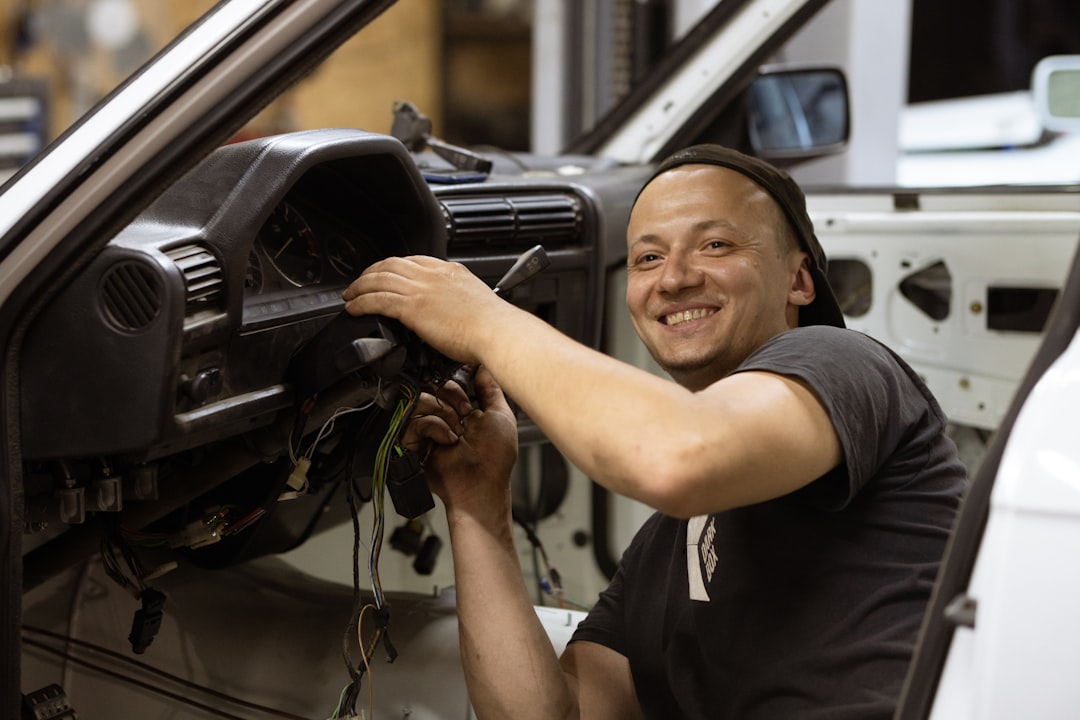
Before you stick that 'For Sale' sign on your car in Victoria, getting a Roadworthy Certificate (RWC) is not just smart—it's the law. Selling a car privately? Transferring ownership? You'll need this certificate in hand. It's a legal must-have, verifying your car meets minimum safety standards. Without it, you can't legally seal the deal on a private sale or complete a registration transfer.
It's not just about ticking a box, though. The RWC assures buyers that the car is up to snuff for road use. This isn't something you leave to the last minute. Planning is key. You need a licensed vehicle tester, and they're not hiding in every garage. They give your car a thorough check, looking at things like tyres, brakes, lights, and other critical safety gear.
Key Points to Remember:
Here's where it gets real: if your car doesn't pass, you're back to square one, fixing the issues before you can get that certificate. And let's be honest, car repairs aren't known for their speed. This could mean a delayed sale and, potentially, a hit to your wallet.
Don't think this is just seller's homework. Buyers, you can request a pre-purchase RWC check too. It's like a peek under the car's skin, revealing what you're really about to pay for. It could save you from a lemon—and a headache.
Remember, this isn't just bureaucracy. It's about safety. Overlooking it? That could land you in hot water, legally and financially. So, find a licensed tester nearby, get your vehicle in shape, and make the sale knowing you've done the right thing. It's peace of mind—for you and the buyer.
When you're preparing to sell your car in Melbourne, obtaining a Roadworthy Certificate (RWC) is mandatory. This certificate is not merely a formality; it is a legal affirmation that your vehicle is roadworthy. The challenge lies in identifying a credible tester who is not only certified but also has a trustworthy reputation and is conveniently located.
First and foremost, focus on certification. Seek out a licensed vehicle tester. The VicRoads website provides a directory, or you can contact them directly. Ensure they have the authority to issue RWCs, as not all mechanics possess this capability.
Reputation is crucial. Avoid entrusting your vehicle to just any mechanic. Research reviews and solicit recommendations. A commendable reputation typically indicates adherence to regulations, which is essential. Be mindful that a questionable RWC could have repercussions. Should the buyer encounter problems later, they will likely hold you accountable.
Proximity is significant, particularly when time is of the essence. Opt for a local tester to facilitate urgent requests. Choosing the most reputable tester is futile if they are located too far away and you require the certificate promptly. Additionally, a local tester is more accessible should any issues arise.
It's important to recognize that RWCs are not merely about compliance; they are about safety—for you, the buyer, and all road users. While you may be under time constraints, this is not an area to compromise on. By ensuring the process is conducted properly, you can look forward to a smooth and trouble-free sale. Neglecting due diligence can lead to complications you would rather avoid. Therefore, invest the necessary time to identify the appropriate tester and secure that RWC. Your future self will be grateful.
Brakes are essential. They undergo scrutiny for signs of wear and responsiveness. Technicians assess the pads and discs for sufficient thickness and absence of damage. Substandard brakes mean a vehicle won't qualify for the Roadworthy Certificate (RWC). Also, don't ignore the brake fluid; impurities or depleted levels can be problematic. This evaluation isn't solely about compliance – it's fundamentally a matter of safety.
All lights need to be operational, without exception. The inspection encompasses headlights, turn signals, brake lights, and reverse lights. A single non-functioning bulb results in a failure. It's an easily remedied oversight, yet frequently neglected. Remember, this requirement isn't just about meeting standards. Fully functional lighting is a critical aspect of safe driving and adhering to legal obligations.
Degraded tyres pose significant risks. Inspectors verify that tread depth surpasses the statutory minimum. They also search for protrusions, incisions, and irregular wear patterns. Adequate inflation isn't the sole concern. Tyres represent your sole point of contact with the roadway, so their condition is paramount. Inadequate tyres mean more than just an inspection failure; they constitute a perpetual driving hazard.
Inspectors conduct a comprehensive review of the steering system. Loose elements, deteriorated joints, and malfunctioning power steering can all result in an RWC disqualification. The focus is on maintaining command and precision while driving. If the steering wheel exhibits vibrations or a lack of firmness, address it prior to the inspection. This is a frequently overlooked issue that can lead to avoidable complications.
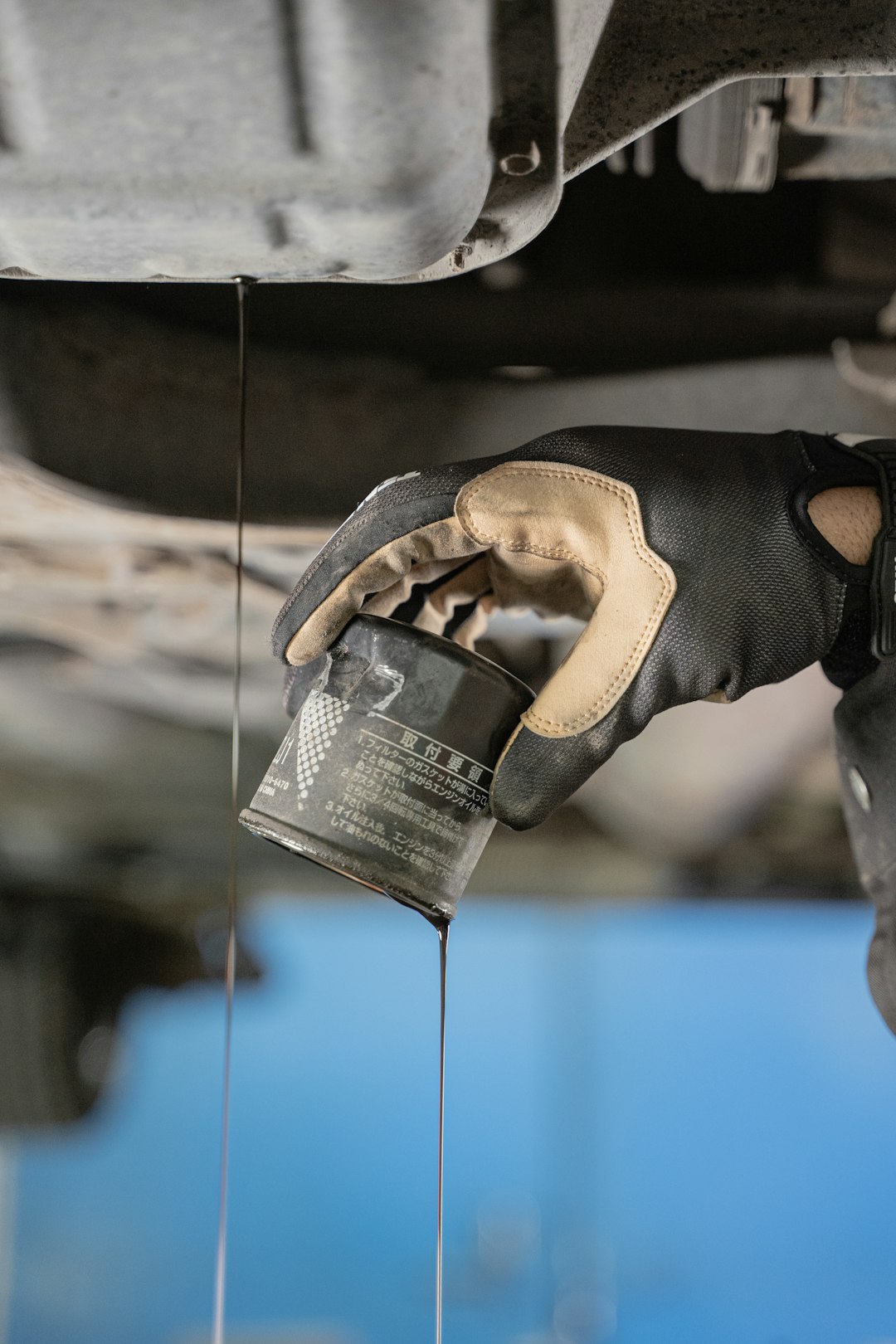
Assessors check engine oil, coolant, and other vital fluid levels. While seemingly trivial, these fluids are pivotal for the vehicle's operation and safety. Low or contaminated fluids can suggest neglectful upkeep, which inspectors view unfavorably. Addressing this is straightforward but often disregarded, despite its importance for securing a positive RWC result. Ensure all fluids are checked, replenished if necessary, and maintain your engine's well-being.
When prepping your car for a roadworthy certificate (RWC) in Melbourne, you might focus on the glaring issues. But watch out for the sneaky ones. They can fail your car just as fast. It's not just about the brakes and tyres, although they're crucial. Let's talk about the minor body damages and electrical hiccups that often slip under the radar.
Dents and scratches might seem superficial, but they could be more than skin-deep. A small rust spot? That could signal structural weakness. A crack in the tail light? It's not just about aesthetics; it's a safety concern. These defects, though minor, can jeopardize the integrity of your vehicle in the eyes of a licensed tester.
Electrical problems are another silent deal-breaker. That flickering dashboard light isn't just annoying; it could indicate a fault in the system. And it's not just about whether the headlights work; it's how well they work. Dim lighting won't cut it. And remember the blinkers and brake lights? They're not optional. They're essential for passing the RWC.
Why does this matter? Because selling a car in Victoria without an RWC isn't just a bad move; it's against the law. It's about safety, yes, but also about protecting yourself legally. The RWC is your proof that at the time of sale, your car met minimum safety standards. And it's not something to leave until the last minute.
How do you avoid these pitfalls? Be thorough. Check everything. And if you're unsure what to look for, get a professional pre-sale vehicle check. It's not just about ticking a box; it's about knowing your car will pass the RWC without hitches. And that peace of mind? It's worth every penny.
Before you even think about advertising your car for sale in Melbourne, make sure you're not skipping a beat on the Roadworthy Certificate (RWC). It's not just a formality—it's a legal must-have for private sales and ownership transfers in Victoria. So, if you're eyeing a quick sale or need to pass the torch to a new owner, here's what you need to nail down, pronto.
First off, get your vehicle inspected by a licensed tester. This isn't your mate doing you a favour—it's about ensuring your car is up to the Vehicle Standards, as outlined by VicRoads. The inspection covers the major safety features like tyres, brakes, steering, seats, lights, and other critical components. Don't overlook this; an RWC reassures buyers and keeps you clear of legal hiccups.
Now, let's talk timing. If you're in a rush, book your inspection ASAP. Testers can be booked out for days, and the certificate is only valid for 30 days after the inspection. If your car fails the first time, you've got a 7-day window to fix the issues and retest. Tick tock, right?
Common mistakes? Let's see. Some sellers assume their car is fine and get stung at inspection with a laundry list of repairs. Others forget to check their lights, tyre tread, or even the windscreen wipers. Small things, but they can derail your RWC and delay that sale.
And here’s the kicker: if you skip the RWC and the buyer cops a fine or has an accident, guess who's on the hook? Yeah, you. So, get it done, and get it done right. It's not just about avoiding fines—it's about peace of mind for you and the buyer. Plus, a valid RWC can actually be a selling point. It's like saying, "This car's good to go, no nasty surprises." And who doesn't want that?
When you're gearing up to sell your car, or if you're on the brink of buying one, getting a Roadworthy Certificate (RWC) in Melbourne isn't just a formality—it's the law. It's a critical step to ensure the car is safe for the roads and to dodge legal hiccups during the sale. But let's talk brass tacks: the cost.
Now, costs can vary. They're not fixed. It hinges on your vehicle's age, type, and condition. Expect to shell out anywhere from $100 to $300 for a standard inspection. And remember, this doesn't include repairs. If your car's got issues, you'll need to factor in those costs too. Unwelcome surprises can stretch your budget thinner than you'd like, so it's wise to get an idea of the potential repair costs before diving in.
On top of that, timing is everything. You need this certificate pronto, right? But rush jobs can mean higher fees. So, while it's tempting to speed things up, a balanced approach might save you some coin. Check for licensed testers nearby; they've got the authority to inspect and issue your RWC, and convenience could mean lower travel costs and less time off the road.
Key Points to Remember:
It's a common slip-up to underestimate the time and money involved in obtaining an RWC. Owners often forget to budget for potential repairs that might come to light during the inspection. And here's a key fact: the certificate is only valid for 30 days from the date of issue. So, timing your sale or purchase around obtaining the RWC is crucial.
In short, do your homework. A quick chat with a licensed tester could give you a clearer picture of what you're up against. The aim? To get that RWC without your wallet taking a hit it wasn't ready for. Because in the end, it's about making that sale or purchase with confidence, without any last-minute scrambles that could cost you more than just money.
If your car flunks the RWC inspection, it's not the end of the road. First, get your hands on the Vehicle Inspection Report—it's gold. It lists every issue that needs fixing. Now, you've got 7 days to sort it out if you want the initial fee to still count. After that, you'll need to cough up the cash again.
Here's the drill: tackle the repairs. You can do it yourself if you're savvy with a wrench, or let a pro handle it. Just make sure everything meets the VicRoads standards. No cutting corners.
Once your car is up to snuff, head back to the same licensed tester. This bit's important. They know what was wrong the first time, so it's quicker for them to check the fixes. If you're outside the 7-day grace period, remember, you'll be digging into your wallet again.
What if you're racing against the clock? Some sellers need that RWC fast for an eager buyer or a looming registration transfer. Don't just cross your fingers and hope for the best. Book your inspection with time to spare. Rushing can mean missing details, and that'll set you back even more.
And here's a pro tip: keep your car maintained. Regular checks and services can save you from the sting of a failed RWC. It's about more than just ticking boxes. It's about safety, legality, and not giving buyers any room to haggle down your asking price.
Remember, the RWC isn't just a piece of paper. It's peace of mind for you and the buyer. Do it right, and do it once. No one wants to be that seller stuck in a loop of inspections and repairs. So, get it sorted, get it certified, and get that car sold.
Once you've got your hands on that roadworthy certificate (RWC), you're on the right track. But before you slap a 'For Sale' sign on your car in Melbourne, there's paperwork to tackle. It's not just a formality; it’s about keeping you on the safe side of the law when you hand over the keys.
First up, a Vehicle Transfer Form is a must. This is where you and the buyer put your signatures to officially pass the baton. Without it, you're technically still the owner, and any fines or tolls could come knocking on your door. Not ideal.
Then, there's the matter of the RWC itself. It's fresh for 30 days. If it expires before the sale, you're back to square one, needing a new inspection. Keep an eye on that clock. Buyers, they want assurance they’re not buying trouble. The RWC is that peace of mind.
Key Points to Remember:
Don’t forget to cancel your registration or transfer it. If you skip this, you might as well throw your hard-earned cash out the window. You could be billed for the new owner's trips down the tollway. Plus, insurance gets messy if the car's still in your name after it's sold. That's a headache no one wants.
And here's a pro tip: keep records. Scribble down every detail of the sale. Date, price, odometer reading, buyer's details. It's your proof if things go sideways. Think of it as your safety net.
Lastly, honesty is your best policy. If you hide issues and they pop up later, guess who's on the hook? You. Full disclosure saves legal squabbles down the road.
In short, get your paperwork straight, follow the rules, and protect yourself. It's simple, really. Just don't dawdle, because that RWC won't age like fine wine, and neither will your buyer's patience.
When you're preparing to sell your vehicle in Melbourne, obtaining a Roadworthy Certificate (RWC) is essential. However, the journey to secure one can be fraught with unscrupulous practices. It's important to understand that not every vehicle tester adheres to ethical standards. Although you may be pressed for time, hastening the process can expose you to deceitful testers who may resort to shortcuts or, in extreme cases, falsify outcomes.
First and foremost, ensure you select a licensed vehicle tester. Verify their qualifications. Victoria maintains a registry, so make it a point to consult it. If they're not listed, do yourself a favor and walk away. Without exception. Moreover, if the fee for an RWC seems unbelievably low, it likely is. Scammers entice you with rock-bottom prices, only to surprise you with hidden charges or unjustifiably approve your vehicle.
Here's a valuable tip: seek recommendations. Referrals can be incredibly helpful. Individuals are often eager to share their experiences, whether positive or negative. A tester with a reputable standing is invaluable. Conversely, if you encounter a series of negative accounts, it's wise to avoid them.
It's not advisable to simply hand over your keys and depart. Be present during the inspection. Keep a vigilant eye on the proceedings — courteously, of course. It becomes more challenging for testers to engage in dishonesty when you're observing the process. Additionally, this provides an opportunity to gain insights into your vehicle's condition.
Finally, if the tester identifies problems, it's prudent to seek a second opinion. Some may fail your vehicle for minor issues, hoping you'll opt for their repair services. A second evaluation can protect you from superfluous repairs and costs.
Keep in mind, selling your car without a legitimate RWC is not only unethical; it's illegal. Engaging in such activity could result in financial penalties or legal complications, and that's a situation everyone would prefer to avoid. Therefore, invest the necessary time to ensure the process is conducted properly, and you'll transfer ownership of your vehicle with the assurance that all is in order.
When you're eyeing a car in Melbourne, the Roadworthy Certificate (RWC) isn't just a piece of paper—it's your peace of mind. Think of it as a snapshot of the car's health, one that's crucial from a buyer's perspective. It's the seller's way of proving they're not palming off a lemon. No RWC, no sale—it’s as simple as that in Victoria.
For sellers, getting that certificate is non-negotiable. It’s about compliance, sure, but also about trust. You're showing potential buyers that you're upfront and the car is up to standard. It’s a legal requirement, and without it, you’re stuck—you can’t legally transfer ownership. So, when you're ready to put that 'For Sale' sign up, the RWC should be at the top of your checklist.
Key Points to Remember:
But here’s where it gets complex. The RWC isn’t just a formality. It’s an extensive inspection. Brakes, lights, tyres – everything is scrutinized. Overlook an issue, and you could jeopardize the sale. Or worse, face legal problems if you try to bypass the regulations. It’s not worth the gamble.
Buyers, you have a role as well. If a seller is offering a car without an RWC, or if something seems suspicious, trust your instincts. An RWC is your protection, your assurance that what you're purchasing won’t malfunction as soon as you start driving.
Timing is crucial. For sellers, don’t procrastinate. It’s not just about completing the process, but doing it thoroughly. For buyers, request the RWC early in the negotiations. It’ll prevent unnecessary delays later on.
So, whether you're selling your vehicle or in the market for one, remember the RWC isn’t just bureaucracy. It’s an essential step in the private car sale process, one that ensures fairness and legality for all parties involved.
 |
The examples and perspective in this article may not represent a worldwide view of the subject. (July 2020)
|
Roadworthiness[1] or streetworthiness is a property or ability of a car, bus, truck or any kind of automobile to be in a suitable operating condition or meeting acceptable standards for safe driving and transport of people, baggage or cargo in roads or streets, being therefore street-legal.
In Europe, roadworthy inspection is regulated by:
A Certificate of Roadworthiness (also known as a ‘roadworthy’ or ‘RWC’) attests that a vehicle is safe enough to be used on public roads. A roadworthy is required in the selling of a vehicle in some countries. It may also be required when the vehicle is re-registered, and to clear some problematic notices.[6]
"roadworthiness certificate" means a road-worthiness test report issued by the competent authority or a testing centre containing the result of the road-worthiness test
— DIRECTIVE 2014/45/EU OF THE EUROPEAN PARLIAMENT AND OF THE COUNCIL of 3 April 2014 on periodic roadworthiness tests for motor vehicles and their trailers and repealing Directive 2009/40/EC
Roadworthy inspection is designed to check the vehicle to make sure that its important auto parts are in a good (not top) condition that is enough for safe road use. It includes:[6]
Directive 2014/45/EU regulates the periodic testing for various kind of vehicles:
18 of 27 EU member states have required motorcycle owners to have their vehicles checked for road-worthiness. The directive 2014/45/EU defines obligations and responsibilities, minimum requirements concerning road-worthiness tests, administrative provisions and cooperation and exchange of information.
Minimum requirements concerning road-worthiness tests encompass date and frequency of testing, contents and methods of testing, assessment of deficiencies, road-worthiness certificate, follow-up of deficiencies and proof of test.[2]
The test shall cover at least the following areas:
(0) Identification of the vehicle;
(1) Braking equipment;
(2) Steering;
(3) Visibility;
(4) Lighting equipment and parts of the electrical system;
(5) Axles, wheels, tires, suspension;
(6) Chassis and chassis attachments;
(7) Other equipment;
(8) Nuisance;
(9) Supplementary tests for passenger-carrying vehicles of categories M2 and M3
— 2014/45/EU
 |
This article about transport is a stub. You can help Wikipedia by adding missing information. |
 |
This article needs additional citations for verification. (June 2023)
|


Vehicle inspection is a procedure mandated by national or subnational governments in many countries, in which a vehicle is inspected to ensure that it conforms to regulations governing safety, emissions, or both. Inspection can be required at various times, e.g., periodically or on the transfer of title to a vehicle. If required periodically, it is often termed periodic motor vehicle inspection; typical intervals are every two years and every year. When a vehicle passes inspection, often a sticker (inspection decal or inspection sticker) is placed on the vehicle's windshield or registration plate to simplify later controls, but in some countries—such as the Netherlands since 1994—this is no longer necessary. Most US inspection decals/stickers display the month's number and the year.
In some jurisdictions, proof of inspection is required before a vehicle license or license plate can be issued or renewed. In others, once a vehicle passes inspection, an inspection decal is attached to the windshield or registration plate, and police can enforce the inspection law by seeing whether the vehicle displays an up-to-date decal.
There has been some controversy over whether periodically inspecting motor vehicles is a cost-effective way to improve road traffic safety.[1][2][3] Recent analysis of changes in safety inspection procedures in the United States strongly suggests that vehicle safety inspection programs are no longer necessary and are simply a form of residual government oversight.[4]
|
|
In Lagos State, vehicle inspection at the Lagos Computerised Vehicle Inspection Service, LACVIS, is a statutory requirement demanded from all vehicle owners before the issuance of a Road Worthiness Certificate.
This inspection checks for emission, machine-based headlamp test, suspension, alignment, brakes efficiency and underneath inspection among other tests using computerised equipment. After the tests, the certification officer at the centre will give the vehicle owner a vehicle inspection report which states the defect(s), if any, found during the inspection. If the vehicle fails the inspection, the vehicle owner will be advised to fix the defects within a 30 days period.
Vehicles under the private vehicle category are mandated to undergo annual inspection before the issuance of a Road Worthiness Certificate by a Vehicle Inspection Officer (VIO) gets declined. However, vehicles under the commercial category are required to undergo periodic inspection twice a year. A vehicle that passed the inspection qualifies for a Road Worthiness Certificate and tag which will be placed on the windscreen. Enforcement is done by the Vehicle Inspection Officers.
Other states that have adopted the computerised vehicle inspection include Minna, Anambra with more states in view and the FCT, Abuja.
A roadworthy vehicle is considered to be roadworthy until it changes hands. A vehicle purchaser is required to register the change-of-ownership of a vehicle. The new owner must present a Roadworthy Certificate (CoR) in order to receive a new license (disk) for the vehicle. A new license plate number is also issued at that time.
If a motor vehicle is used for public transport or is a heavy-load vehicle (excluding buses), it is tested for roadworthiness every year before the motor vehicle license is renewed. A bus must be tested for roadworthiness every six months.
There is a safety inspection program called Programa de Inspeção e Manutenção de Veículos em Uso (PMVE). An annual PMVE inspection is required for all vehicles older than three years. The inspection can be conducted at an authorized inspection center, and the vehicle owner is responsible for the cost. Brakes, tires, suspension, lights, exhaust emissions, and other components are inspected.

Safety testing regulations in Canada vary through the different ten provinces and emission testing programs was required bi-annually in southern Ontario only (Ontario's Drive Clean). On September 28, 2018, the Ontario government under Doug Ford announced the cancellation of the Drive Clean program and instead focusing on heavy duty vehicles; the change became effective on April 1, 2019. AirCare in British Columbia has been abolished since 2015.[5]
In Manitoba,[6] Ontario[7] and Newfoundland and Labrador,[8] upon buying a car (new or used) only, a valid safety check must be done before it can be registered. Dealerships are required to provide the buyer with a new safety, while private sellers are not (if a private seller so chooses, they may pay for, and issue a new safety in order to make it more appealing to buy). In either case, if the vehicle bought has not had a safety test within the last year, the buyer must safety the vehicle before it can be registered with Manitoba Public Insurance, Service Ontario, or Service NL. From the point the car is registered, no safety test is required as long as the car remains with the current owner (however, if something goes wrong, auto mechanics, dealerships and the police have the right to refuse to let the client drive away with an unsafe car).
The province of Prince Edward Island require annual safety inspections,[9] in Nova Scotia and New Brunswick, a safety inspection is required every two years for passenger vehicles and every year for heavy duty vehicles.[10][11]
In the provinces of British Columbia, Alberta, Saskatchewan, Quebec and the territories (Yukon, Northwest Territories and Nunavut), usually no vehicle inspection or emissions test is required for passenger vehicles, unless the vehicle has been imported from another jurisdiction. Commercial vehicle requirements vary.[12][13][14]

In the United States, each state government is free to decide whether to require vehicle safety inspection, as well as the specifics of the inspection program. Eighteen states have a periodic (annual or biennial) safety inspection program, while Maryland requires an inspection prior to registration or transfer of ownership only. Several states have abolished their safety inspection programs in recent years, claiming that these programs do not reduce accidents and are merely a tax on vehicle owners.[15][16]

Under the Clean Air Act (1990), states are required to implement vehicle emission inspection programs in metropolitan areas whose air quality does not meet federal standards. The specifics of those programs vary from state to state. Some states, including Florida, Kentucky and Minnesota,[17] have discontinued their testing programs in recent years with approval from the federal government.[citation needed]
In some states and the District of Columbia, inspections are done at state-operated inspection stations.[18][19][20] In other states, privately owned garages perform the inspections with approval from the state.[21][22] Where the inspection is done at a private facility, the vehicle owner may, but is not required to, have the facility performing the inspection provide any service or repairs needed if it would fail inspection. In some states, if a vehicle fails inspection, it is given a "rejection sticker" which is affixed to the vehicle in the same manner as the regular inspection sticker, allows the vehicle owner to continue to operate the vehicle for a short period of time so that they may obtain any service or repair needed to bring the vehicle into compliance.
|
|
This section needs additional citations for verification. (October 2024)
|
Private cars are required to have safety and emission inspections every other year between Year 6 and 10, every year between Year 10 and 15, and every six months after Year 15. Chinese Rural Vehicle (CRV) operators can be fined by the police if their vehicle emits visible smoke. Regulations are established and enforced by province/economic region/city as appropriate. New vehicles must pass regulations (Euro spec) in effect on the day of manufacture. This applies also in Hong Kong.[23]
In India, under the Motor Vehicles Act of 1988, vehicle inspections ensure safety and environmental standards. Private cars need a fitness test every 15 years, starting from their first registration, and then every 5 years. Motorcycles follow the same 15-year rule. Commercial vehicles, like trucks and buses, must be inspected annually. Vehicles must meet Bharat Stage (BS) emission norms, with the latest BS-VI standards for reducing pollution. Inspections are conducted at government and private centers, and passing them is necessary to renew registration and get a fitness certificate. Non-compliance can lead to fines or vehicle impounding. Recent changes include digital systems for easier booking and tracking of inspections.
In India, vehicle fitness tests and the associated fee structure are regulated by the Ministry of Road Transport and Highways (MoRTH). In 2025, MoRTH revised the fitness test fees for 10-, 15-, and 20-year-old vehicles.[24]

All the vehicles which are older than four years should get the certificate from authorized center every year.[25] The centers perform safety and emission tests on the vehicles.
Cars older than three years are required to have a yearly inspection as part of the car's license.[26] A car which fails the inspection, must be fixed in seven days to be allowed to be driven on the road.[27] The "Test" checks the following: vehicle and owner identification including vehicle registration plate; emissions; steering; underside; lights; brakes; wheel alignment.[28] Cars older than fifteen years are considered "antique", and must be inspected every six months, and have additional inspection of the brakes done.[26]
Under the Japanese shaken (車検) program, personal cars and two wheeled motorcycles require a shaken (automobile inspection) after three years, and every two years thereafter.
In Pakistan, vehicle inspection[29] is conducted at different stages to ensure road safety and compliance. At the time of registration, authorities verify the chassis number, engine number, and legal status of the vehicle. Commercial vehicles must obtain a fitness certificate, which is renewed annually to confirm their roadworthiness. Additionally, traffic and motorway police conduct random on-road inspections, while some provinces have Vehicle Inspection & Certification Systems (VICS) for emissions and safety checks.[30]
Cars are required to obtain a safety and emissions inspection every other year starting in the third model year, and annually after ten model years. Motorcycles and mopeds must be inspected annually starting in the third model year. Buses, taxicabs, commercial vehicles, and trailers must be inspected every year or six months depending on the vehicle's age.[31] An up to date inspection (if required) is needed to renew a vehicle's road tax.
Per the Motor Vehicle Management Act, all vehicles are required to have regular inspections. Safety, noise, and emissions are inspected. These inspections are overseen by the Korea Transportation Safety Authority. Cars are checked against safety, emissions, and noise standards. Vehicle identification, braking system, steering, speedometer, horn, visibility, lighting equipment, parts of the electrical system, axles, wheels, tires, suspension, chassis, emission systems, parts of the fuel system, frame, body, glass, and other components are inspected.[32]
|
|
Cars older than five years are required to have yearly safety and emission inspection. Cars older than ten years are required to have the inspection every six months. Motorcycles and scooters older than five years are required to have yearly emission inspection. Failure to comply may result in fine, license suspension and revocation.
The inspection standards often vary between various local Motor Vehicle Offices. Where one office adheres strictly to a, often outdated standards booklet, another office may simply allow each inspector to gauge according to their own experiences. It is widely accepted that in cases where a vehicle fails an inspection due to suspicion of vehicle having modifications, validity of the said suspicion being irrelevant, vehicle owners often hire a scalper (found often outside each Motor Vehicle Offices) to go through the inspection process in their stead. It is an unspoken common practice for sometimes even a factory condition vehicle to be challenged by inspectors, as it creates business for scalpers and private inspection offices.
All vehicles are required for technical inspection to renew the vehicle license. For passenger cars over 3 years old, technical inspections are required every 12 months. Inspection is required when transferring ownership or exporting the vehicle outside the country.
The EU Directive 2014/45 of April 3, 2014 mandates all member states to carry out periodic safety and emission (roadworthiness) inspections for most types of motor vehicles including passenger cars, light and heavy goods vehicles, trailers, tractors with designed speed exceeding 40 km/h and, from 1 January 2022, motorcycles with engine displacement over 125 cm3. It also sets minimum requirements for those inspections and their intervals. For vehicles up to 3.5 tonnes and tractors the first inspection shall occur no later than 4 years after first registration and at a frequency of up to 2 years thereafter. Vehicles over 3.5 tonnes are mandated to undergo inspections no later than 1 year after first registration and every year thereafter.

In Austria, all vehicles must undergo a "Wiederkehrende Begutachtung nach § 57a KFG" (recurring inspection under section 57a of the motor vehicle statute). A decal is placed on the vehicle's windscreen (usually the upper left-hand corner as seen from outside the vehicle), hence the inspection itself is colloquially referred to as "Pickerl" (literally: "little sticker"). The color of the decal is white for vehicles with a catalytic converter, green for vehicles without one and red for historic registered cars. Punch holes indicate the month and year that the next inspection is due; the month is based on the first registration of the car. The actual inspection can be carried out one month in advance of or up to four months after the date indicated on the decal; the vehicle remains road-legal during that time. Unless the inspection is overdue, as just described, the roadworthiness certificate is transferable, so that a potential new owner will get a new decal with the same date, but the corrected license plate number upon registration of the vehicle. However, the latest official inspection report has to be presented for this purpose to the authority issuing the new registration documents and license plates.
The first inspection of a passenger car[clarification needed] is required after three years; another one two years later; and thereafter passenger cars must pass the official inspection annually to remain road-legal. Historic registered cars have an inspection period of two years. Heavy trucks and motorcycles must undergo annual inspections from the very first year. Inspections are carried out by licensed garages and by Austria's two major automobile clubs. The Austrian motor vehicle inspection covers both vehicle safety standards and emissions standards.
In Belgium, a vehicle inspection is known as an autokeuring (Dutch) or contrôle technique (French). All cars over four years old must be tested annually, and before selling them on the second-hand market. This annual period may be extended to two years if the following apply: the vehicle passes the inspection with a green certificate (see below); the vehicle has covered less than 100,000 km; the vehicle has been tested within its date limit and is less than six years old.
Commercial vehicles must undergo an annual test, immediately after the first registration. Cars that pass the inspection receive a green certificate, which must be carried in the vehicle at all times along with other required documentation. An inspection has three possible outcomes:
Receiving a red card is not uncommon for older cars, so people often have to go two or more times to pass.
Vehicle inspection centers are private companies, and can be found throughout Belgium. A vehicle owner may choose their preferred inspection center; however, if the vehicle fails inspection at one center, it must return to that same center for a retest within the two-week deadline. If it goes to any other center, the entire inspection will be repeated instead of only the failure conditions.
Vehicles undergo a series of tests, including exhaust emissions, lights, suspension, brakes, tires, and checks for impairing[clarification needed] vehicle body damage and rust, and a strict control of the required vehicle documents. The set of tests performed depends on the vehicle's class (such as passenger car, truck or classic car).
All cars must undergo an annual test. This test is conducted at accredited garages. This test is rather basic with only the brakes, lights and emissions being tested. Initial test is conducted in case of first registration and every change of registration in the traffic police stations (KAT). Cars newer than six years pass the test once every two years. Taxis and buses must be checked at every six months.
The National programme of road transport safety of the Republic of Croatia 2011-2020 (Croatian: Nacionalni program sigurnosti cestovnog prometa Republike Hrvatske 2011.-2020. godine) treats vehicle inspections as an important area of prevention of traffic accidents, and as a vessel for regular financing of road safety regulations. The annual vehicle inspections in Croatia (tehnički pregled) typically find unacceptable technical faults in about one fifth of all vehicles (as of 2013[update]).[33] Based on the Law of Road Transport Safety, vehicles are inspected in specialized shops (stanica za tehnički pregled, lit. technical inspection station) as a precondition of registration, which is then finalized by the Ministry of Internal Affairs.[34] The technical inspection stations also serve to control that vehicle insurance was obtained, that the road tax is paid, that the various taxes and levies on cars are duly paid, etc. They also collect various national statistics as well as enforce the payment of valid traffic violation fines.[35]
Czech Republic requires emission inspection Měření emisí and safety inspection Technická kontrola every two years for passenger cars. New passenger cars have to obtain their first roadworthiness certificate after four years. Until the end of 2014, an emission inspection decal (green) and a safety inspection decal (red) was placed on the rear license plate, after a vehicle has passed both emission and technical inspections. The expiration month and year was punched in each decal. Since 2015 only the safety inspection decal (red) is placed on the rear license plate, as passing the emission inspection was a prerequisite for admission to the safety inspection.
Vehicle inspection (tehnoülevaatus) for cars with register mass less than 3500 kg is required in three years for a new car, every two years for cars less than ten years old, and every year for cars over ten years old. The inspection can be done at accredited vehicle inspectors.[36]

Finland has a long tradition of vehicle inspection, dating back to year 1917. Vehicle inspection was initially carried by cities and provincial inspectors but starting from year 1968 the inspection moved to national governing body of road vehicle administration known as Autorekisterikeskus. In 1994 the vehicle inspection was opened for competition and in 1996 Autorekisterikeskus was split as administrative body Ajoneuvohallintokeskus (AKE) and inspection company Suomen Autokatsastus Oy. Until 2019 it was Liikenteen Turvallisuusvirasto Trafi and nowadays joined Finnish Transport and Communications Agency Traficom, the successor of Ajoneuvohallintokeskus since beginning of the 2010, governs the inspection companies and keeps track of inspection quality and the inspections are carried by private companies.[37] During the years, the inspection procedures and facilities have improved greatly and nowadays the quality of inspection is on such level that mechanical failures as immediate cause for fatal crashes in whole country are minimal.[38]
In Finland, the "Määräaikaiskatsastus" (periodic inspection) is required for all passenger cars, vans, trucks, ATVs and for trailers with maximum structural weight of more than 750 kilograms.[39] Inspection interval depends on vehicle class and usage. For privately used passenger car or van, inspection must be carried after four years, then every other year counting from the specified date of first deployment and every year after tenth year. If there is no specified date of first deployment (for instance 00.00.1987) the time of inspection is determined by the last number of license plate. The inspection period also varies depending on vehicle class and usage but for privately used passenger cars and vans the length of the period is four months preceding the date specified in date of first deployment or four months preceding the last date of inspection specified by the license plate number.
The periodic inspection includes verification of vehicle register information (VIN, taxes, insurance), a test drive, brake testing, inspection of lights and compulsory equipment, superficial inspection for visibility and handling hindrances and bodywork, undercarriage inspection for suspension parts and corrosion and emission measurements (requirements vary depending on propellant and date of first deployment). The emission measurement can be taken on a registered repair shop prior to the inspection. If done so, a proper measurement certificate must be shown at inspection. Upon passed inspection, a new "Part one" of registration certificate is printed and handed to customer among with inspection report. If inspection fails, the faults found during the inspection must be repaired. Vehicle needs to be shown at inspection station for "Jälkitarkastus" (recheck) within one month of the inspection. Customer may use different inspection station for this.

Vehicle testing has been mandatory in France since 1992. The first inspection (Contrôle Technique) is carried out after four years then subsequently every two years. A blue and white CT sticker affixed inside the windscreen indicates when the next test is due. A less than 6 month valid CT is required prior to transfer of ownership.
Inspections are performed by privately owned stations certified by the government.
Since May 2018 the number of checkpoints has been increased to 133 points and a vehicle with a critical failure has to be sent to a garage within 24 hours.
Vintage cars are also controlled but their checks are adapted to their abilities at time of production. For instance, their pollution level is not controlled.
The starting date of the technical inspection of motorcycles is set for April 1, 2024.[40]

Passenger cars must pass a safety and emission inspection after three years for new cars, and then every two years. Heavy duty vehicles need to be inspected every year, motorcycles every two years. The inspection can be performed by various organizations, such as TÜV, DEKRA, KÜS, GTÜ. After a vehicle has passed the inspection, a safety inspection decal showing the month of expiry is placed on the rear license plate (the emission inspection decal was placed on the front license plate until it was phased out in 2010 and integrated into the safety inspection). The colour of the decal changes every year in a six-year cycle (orange, blue, yellow, brown, pink, green). The decal is placed with the number of the expiration month pointing to the top and there is a black marker around the 12. This means that the expiry month can also be recognized from a distance: the colour of the decal indicates the year and the black marker the expiry month, like the hour hand of a clock.
In Greece every passenger vehicle is required to undergo an inspection after four years from purchase (if new) and then every two years. Taxis, learner vehicles and heavy transport vehicles must undergo an inspection every year. Inspection centers can be either public or private companies. Private vehicle technical control centres (P-VTCC or I-KTEO in Greek) had to be accredited according to ISO 17020 standard. This requirement changed and P-VTCCs must be certified according to ISO 9001:2008 standard. After a vehicle has passed the inspection, a safety inspection decal showing the month of expiry is placed on the rear license plate.
In Hungary every vehicle is required to be tested (technical test, Műszaki vizsga) for road worthiness and emission. In case of passenger cars the first inspection is after four years for new vehicles, and every two years afterwards. Inspection decals are placed on the rear license plate, and it is also documented in the vehicle's registration document. Recently checks are recorded electronically and stickers are no longer used.
In Ireland, the National Car Test (NCT) is required for cars four or more years of age to be inspected for various items, such as brakes, lighting, bodywork condition, emissions, etc. A square certificate which must be displayed on the windscreen is issued to cars that pass the test. The certificate is valid for two years and then every one year after the car has reached 10 years in age, after which the car must then be retested.
A Certificate of Roadworthiness is required for goods vehicles, or vehicles carrying more than eight passengers (buses). This is commonly referred to as a "DOE" cert (after the Department of the Environment, which at the time administered the tests) and the test is carried out in approved garages.
Since 1997, any vehicle with a gross weight of under 3.5 tonnes, including motorcycles and mopeds, must have their first inspection, called revisione, after four years from the date of first registration, and then every two years. Exceptions are made for special vehicles like buses, lorries, taxicabs and ambulances, which are inspected every year. [41]
The inspection can be done by any Italian DMV office (Ufficio della Motorizzazione Civile - UMC) or by one of the nearly 8500 privately owned authorized centers located around the country.
The inspection focuses on safety, and it is performed similarly to other EU countries, checking tires, brakes, lights, horn, undercarriage, rust, suspension parts, noise and exhaust pollution for either gas/LPG/CNG and Diesel engines. After a successful test, the center will print out a sticker saying "esito regolare", which has to be stuck behind the vehicle title (carta di circolazione), bearing the date of the inspection, the DMV/center's own identity code, the expiry month/year and an antifraud unique code.
If a vehicle fails the inspection, there are two options:
The inspection fee is €45 or €66.88, depending on whether the vehicle is inspected at the DMV (€45) or at authorized centers (€80). The fee is doubled in case of re-inspecting the vehicle after a failed test.
Since 1955, Luxembourg has had a mandatory annual test known as the "Contrôle Technique." It can be taken at one of 5 test centres or by approved partner garages.
In the Netherlands the "Algemene Periodieke Keuring" (APK) or General Periodical Inspection, introduced in 1985, is mandatory for vehicles aged between 3 and 50 years. New petrol cars are inspected after 4 years, then 6 and 8 years, and after that annually (up to year 30). Diesel cars are inspected after 3 years and after that annually. The inspection of vehicles from 30 to 49 years old is biennial for all cars, vehicles older than 50 years are exempt. The inspection includes conforming to safety and emission standards in force in the year of first introduction of the car. Registration is all digital and publicly accessible on the Rijksdienst Wegverkeer (RDW) website;[42]
There are no longer visible stickers or decals on the vehicle, and since July 2008 the paper inspection report no longer needs to be carried in the car. The vehicle owner will receive notification for renewal before expiration. Owners of a vehicle without valid inspection will be fined automatically unless the vehicle's registration is suspended.
Inspections are done in licensed workshops that also do repairs if vehicles do not pass the APK. This may lead to a conflict of interest. Inspection stations are subject to random checks by the RDW.
In Poland there's an annual inspection requirement for most vehicles. New passenger car vehicles (of age four or less) have to be inspected according to the following intervals 3-2-1 years. Inspections are performed by accredited garages. The inspection includes checking of main car systems like brakes, suspension, lights and steering, as well as emission and presence of mandatory equipment. An additional, separate inspection is required for cars that are running on autogas. Pass of inspection is confirmed in registration certificates. When a car does not pass the inspection, the owner is requested to fix the cause and then pass subsequent inspection. A registration certificate may be also revoked in case the vehicle is in fatal technical condition.
Driving a car without valid inspection is subject to a fine.
Romanian vehicles must pass a periodic inspection between six months and two years depending on the age of the car, which is called "Inspecție Tehnică Periodică" (ITP)

Spanish vehicles are required to undergo an Inspección Técnica de Vehículos, better known as the ITV. Private civilian vehicles must be inspected after four years from the date of their first registration and afterwards must be inspected every two years until ten years; afterwards, they must be inspected annually. An inspection sticker with year and month indication is placed on the upper right inside of the vehicle's windshield, and yearly change the colour in order to make control easier. Inspections are done in official independent ITV stations.
Slovakia requires safety inspection technická kontrola and emission inspection emisná kontrola every two years for passenger cars. New passenger cars have to obtain their first roadworthiness certificate after four years. Heavy duty vehicles need to be presented to the safety inspection every year. The safety inspection and emission inspection decals are placed on the front glass (right down).

In Sweden Svensk Bilprovning AB had a monopoly on vehicle inspections until June 30, 2010. In 2021 the five largest companies, accounting for more than 99% of the market shares, were Svensk Bilprovning, Besikta, Opus, Carspect and DEKRA.[43] For cars classified as veteran/classic cars (currently occurring when the car reaches age 30), inspection is every 2 years. For modern cars the first inspection is after the vehicle becomes 3 years old, which after it has to be inspected after 2 years. From that moment an inspection has to be done every 14 months.
In Norway, the vehicle inspection is called "Periodisk Kjøretøykontroll", which translates to "Periodic vehicle inspection", although it is commonly referred to as "EU kontroll", for its origin from the European Union. When a car is four years old it must undergo its first inspection. After this, inspections will be required every second year. Buses, taxicabs and ambulances are inspected every year. The inspection focuses on safety and emission. After the inspection is completed, the owner will be given a check list with errors that must be repaired before the vehicle can pass. If the car only have errors marked with 1, or none errors at all, the car will pass immediately. The errors are rated depending on how dangerous they are, with the grades of 1, 2 and 3. Errors marked with 1 will not require a re-inspection. Errors marked with 2 will require a re-inspection, but the owner can use the car until the inspection deadline. Errors marked with 3 are very rare, and prohibits the user from using the car until those errors are repaired.
The inspection cost is usually between 75 and 130 US dollars (400-1000 Norwegian Kroner). Vehicles may be inspected at garages approved by the Norwegian Public Roads Administration (NPRA). Without a passed inspection, the license plates will be withdrawn, and the car will no longer be street legal. The police and the NPRA are checking license plates at a regular interval to check if the car has passed the inspection, if the road tax is paid and the car is insured.
 |
This section needs to be updated. (September 2025)
|
In Russia all vehicles must pass a periodic inspection ensuring their road worthiness that includes adherence to the respective regulations. To pass the inspection the vehicle must not exceed the mandated emission level (currently Euro-3), the brakes must have no leaks and the brake forces must be symmetrical, steering slip must not exceed the mandated parameters (from 10° for cars to 25° for heavy trucks), all lights must provide the required color, aim and brightness of the emitted light, and the vehicle must be equipped with a first aid kit, fire extinguisher and emergency stop sign. The windshield must have a functional washer, and while window tinting is allowed, including the blinds on the windshield and rear window, they must pass the required amount of light.
To pass the inspection a driver must get to a police vehicle registration center or an authorized service station and present a vehicle for inspection. If the vehicle passes, then the driver receives a certificate of worthiness that must be presented to an insurance company to obtain the compulsory vehicle insurance. The lack of a valid insurance certificate or driving with an elapsed one is subject to heavy fines and eventual revocation of the driver's license. The test periodicity varies with the type of vehicle. Commercial buses (defined as vehicles that carry >8 persons aside from a driver) and oversize/dangerous cargo trucks must be inspected each six months, heavy trucks (>3.5 tons loaded weight) are inspected annually, while the new cars, motorcycles and light trucks (< 3.5 tons) must be first inspected after three years, then bi-annually until they are seven years old, after which the inspections become annual.
Until 2008 the vehicle inspection was limited to administrative checks (whether all taxes have been paid) and a visual check if the car matches the documents. In August 2005 the Turkish government decided to introduce a vehicle inspection scheme following the directive 96/96/EC of the European Union. Since there was no technical equipment available for real roadworthiness tests a contract was laid out with the German TÜV SÜD that was presenting itself for the task in syndication with two Turkish corporations. The TÜV Türk trust is given a monopoly on car inspection for 20 years. Beginning with 2009 the TÜV test is mandatory for all cars with the inspection scheme to follow the German inspection scheme - however there is a transition period up to 2013 where established TÜV regulations are not followed as strictly as in mainland Europe. The shift in vehicle inspection policies is nevertheless rather sharp - since the old vehicle inspection service was strickened with corruption no staff members were taken over to the TÜV Süd, the internal inspection protocol is stricter than in Germany as to prevent any corruption. The introduction of the TÜV was accompanied with a strong propaganda program to agitate the requirement for a modern inspection scheme (e.g. the number of fatal road accidents was three times as high as in mainland Europe despite most of the country to be very rural). Additionally, it is expected that the connection with the German Turks allows for most citizens to have some knowledge how to cope with the TÜV inspection scheme.

The MOT test (from Ministry of Transport, the former name of the Department for Transport) is a mandatory annual test of safety, road worthiness and exhaust emissions for vehicles over three years old. It is enforced by linking the official MOT database to the payment of Vehicle Excise Duty tax. Prior to November 2014 a tax disc had to be displayed on the vehicle.
After the first MOT (when the vehicle is three years old) the owner has to get the vehicle tested every 12 months (unlike in most of the European Union, where a test is required every 24 months after the vehicle is four years old). A test can be made up to 28 days before the expiry of the previous test without affecting the annual test date, allowing the next test to be up to 13 months later.
In the Isle of Man there are no routine inspections for motorcycles or private cars. Rental cars over three years old, goods vehicles, buses and taxis require an annual inspection.
Inspections are also required if a vehicle over three years old is imported; this was introduced to prevent vehicles that had failed inspection regimes elsewhere being moved to the island. Inspections are also required if a vehicle has been off the road (not registered and insured) for more than two years.
Vehicle inspection in Australia is done on a state basis. Each state or territory has the authority to set its own laws pertaining to vehicle inspections, all (with the exception of the self-governing territory of Norfolk Island) have some form of inspection, either periodically or before a transfer of ownership.
In the state of Queensland, there is no legal requirement for periodic vehicle inspections. The only time a vehicle inspection is mandatory is when a vehicle is being sold: it must display a current Roadworthy Certificate (RWC) as an assurance to buyers that a vehicle meets minimum safety standards. Without a RWC, the vehicle can only be sold on an "as-is" basis, which does not entitle the vehicle to be lawfully driven on public roads or registered until a RWC is obtained. Heavy vehicles (e.g. trucks) and public passenger vehicles (e.g. limousines, taxis, public buses) have dedicated inspection schemes that must be complied with periodically, usually every 6–12 months.
In the state of Victoria, there is no legal requirement for a private vehicle to have periodic vehicle inspections]. The only times a vehicle inspection is required are when a vehicle:
In Victoria, a vehicle that passes the inspection is deemed to be in "Roadworthy Condition" and is issued with a Roadworthy Certificate (RWC), which is valid for 30 days.[clarification needed] An RWC checks general safety items of the car such as tyres, brakes, lights etc.; however, an emissions test is not required.
The NZ Transport Agency requires most vehicles to maintain a Warrant of Fitness (WoF) through periodic inspections. Private light vehicles require an inspection once every year if the vehicle model year is 2000 or newer, any vehicles older than this are required to have an inspection every six months until they reach the 40th anniversary of their year of first registration anywhere, after which eligible motor vehicles are subject to annual inspection. New vehicles are required to have an inspection when the vehicle has been on the road for three years, after that it is required annually. Heavy vehicles and vehicles operated under a Transport Service Licence, such as taxis, shuttles, and rental cars, must obtain a Certificate of Fitness (CoF), which is similar to a WoF, but is issued initially for twelve months on brand new rental cars, twelve months on all eligible private heavy motorhomes regardless of age, and six months for all other vehicles unless another interval has been specified by the Transport Agency. The inspections are carried out by approved testers at authorised repair shops, or in larger towns and cities, independent testing stations, the latter must be used if a vehicle has been defected by the Police (known as a green or pink sticker).
no credible evidence was found which demonstrates significant changes in vehicle-defect accidents as a result of [periodic motor vehicle inspections
Using the New Zealand data... logistic regression analysis [showed considerable] statistical uncertainty... The Victorian analysis of potential periodic roadworthiness certification safety benefits was not entirely conclusive [;] likely to be much less than required to make an annual periodic scheme cost effective
We examined the effectiveness of state automobile safety inspections and present new evidence from a panel of the 50 states for the years 1981-1993. Our approach incorporated several innovations over previous studies of safety inspections; most significantly, we estimated a fixed-effects model that incorporated state-specific shifts in casualty rates. We found no evidence that inspections significantly reduce fatality or injury rates. Our study also provides evidence on the effects of speed limits, seat belts, and Peltzman's offsetting behaviour hypothesis.
Utilizing a synthetic controls approach, we conclude that ending requirements [for safety inspections] did not result in a significant increase in the frequency or intensity of accidents due to car failure, implying that the consumer and government expenditures used for inspections could be reallocated to other areas of travel safety.
|
|
This article needs additional citations for verification. (August 2024)
|

A mechanic at a steam pump in an electric power house, 1920, (from a photo study for the Works Progress Administration (WPA)).
|
|
| Occupation | |
|---|---|
|
Occupation type
|
Skilled trades |
|
Activity sectors
|
Repairing |
| Description | |
|
Education required
|
Apprenticeship |
|
Related jobs
|
Repairperson |
A mechanic is a skilled tradesperson who uses tools to build, maintain, or repair machinery,[1] especially engines. Formerly, the term meant any member of the handicraft trades, but by the early 20th century, it had come to mean one who works with machinery.[2]
Most mechanics specialize in a particular field, such as auto body mechanics, diesel mechanics, air conditioning and refrigeration mechanics, auto mechanics, bicycle mechanics, boiler mechanics, race car mechanics, aircraft mechanics, and other areas. There are also mobile mechanics who perform onsite work.[3]
A mechanic is typically certified by a trade association or regional government power. Mechanics may be separated into two classes based on the type of machines they work on, heavyweight and lightweight. Heavyweight work is on larger machines or heavy equipment, such as tractors, construction equipment, and trailers, while lightweight work is on smaller items, such as automobiles.


Automotive mechanics have many trades within. Some may specialize in the electrical diagnosis, while others may specialize in the mechanical aspects. Other mechanical areas include: brakes and steering, suspension, automatic or manual transmission, engine repairs, auto body repairs, or diagnosing customer complaints.
Automotive mechanics require many years of training to become licensed. Countries like Canada have a governmental certification body that tests and maintains automotive mechanics' qualifications.[7] The United States of America uses an organization that is called ASE.[8] This organization provides independent testing of an automotive mechanic's skills with over 57 different tests that can be taken.


| International | |
|---|---|
| National | |
| Other | |

