BLOCKCHAIN TECHNOLOGY’S ROLE IN REVOLUTIONIZING FINANCIAL AUDITING
 Apeksha Kamath
Registration No.: SRO0757783
City : Udupi Karnataka
Registration No.: SRO0757783
City : Udupi Karnataka
Background and Evolution of Blockchain Technology

The inception and evolution of blockchain technology represent a significant leap in how data is stored, verified, and exchanged across decentralized networks, fundamentally altering the landscape of digital transactions and information management. The financial auditing landscape has traditionally relied on manual processes, centralized data storage, and extensive paperwork, making it vulnerable to inefficiencies, fraud, and errors. The advent of blockchain technology is reshaping financial auditing by introducing transparency, immutability, and automation. By leveraging blockchain, auditors can conduct real-time audits, enhance data security, and reduce operational costs. This article explores how blockchain is revolutionizing financial auditing and opportunities it presents.
Enhanced Transparency and Immutability
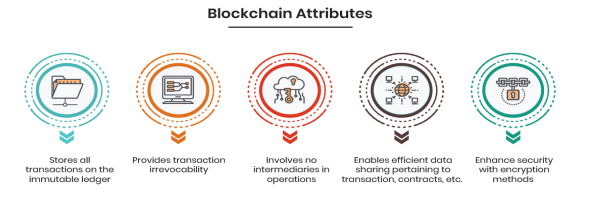
One of the key attributes of blockchain is its decentralized and immutable ledger. Every transaction recorded on a blockchain is timestamped and cryptographically secured, ensuring that financial data remains tamper-proof. This eliminates the risk of data manipulation, enhancing the credibility of financial records. Auditors can access real-time financial transactions through blockchain networks, reducing dependency on intermediaries. This level of transparency allows auditors to verify transactions instantly, minimizing the scope for fraudulent activities and errors.
Smart Contracts for Automated Auditing
Blockchain facilitates the use of smart contracts, self-executing contracts with predefined conditions coded into them. These smart contracts can automate compliance checks and trigger alerts when financial irregularities are detected. For instance, in corporate finance, smart contracts can ensure that payments are released only when predefined conditions are met, reducing the risk of discrepancies. This automation streamlines auditing procedures, enhances accuracy, and reduces the need for extensive manual verification.
Real-Time Auditing and Continuous Monitoring
Traditional auditing processes are retrospective, meaning auditors review financial transactions only at periodic intervals. Blockchain enables real-time auditing, allowing auditors to monitor financial transactions continuously. This real-time access provides greater accuracy and immediate insights into financial health, reducing the risk of financial misstatements.
Fraud Prevention and Risk Mitigation

Financial fraud remains a significant concern in corporate governance. Blockchain’s decentralized structure ensures that no single entity can alter financial records without consensus from the network participants. This prevents fraudulent activities such as embezzlement, data manipulation, and double spending. Moreover, blockchain-powered identity verification and cryptographic techniques strengthen access controls, reducing the risk of unauthorized access to sensitive financial data. This minimizes exposure to cybersecurity threats and enhances financial integrity.
Cost and Time Efficiency
The automation of audit processes through blockchain significantly reduces auditing time and costs. Traditionally, auditors spend a substantial amount of time gathering and reconciling financial data from various sources. With blockchain, financial data is recorded in a single, unified ledger, eliminating redundant processes. By reducing manual interventions and paperwork, blockchain allows auditors to focus on high-value tasks such as risk assessment and strategic financial analysis, leading to more efficient audits.
The Future of Blockchain in Auditing
The integration of blockchain in financial auditing is still in its nascent stages, but its potential to enhance transparency, accuracy, and efficiency is undeniable. As regulatory frameworks evolve and organizations adopt blockchain-based solutions, auditors will transition from traditional auditing methods to more automated and real-time auditing models. With continuous advancements, blockchain has the power to redefine financial auditing, making it more reliable, secure, and future-ready. Conclusion Blockchain technology is poised to revolutionize financial auditing by enhancing transparency, automating compliance, preventing fraud, and reducing costs. While challenges exist, the benefits far outweigh the drawbacks, making blockchain a game-changer for the audit profession. As organizations embrace digital transformation, blockchain will play a crucial role in shaping the future of financial auditing, ensuring greater trust and accountability in financial reporting.
Conclusion
Blockchain technology is poised to revolutionize financial auditing by enhancing transparency, automating compliance, preventing fraud, and reducing costs. While challenges exist, the benefits far outweigh the drawbacks, making blockchain a game-changer for the audit profession. As organizations embrace digital transformation, blockchain will play a crucial role in shaping the future of financial auditing, ensuring greater trust and accountability in financial reporting.