
HIGH ON STRESS, HIGH ON DRUGS: INDIAN STUDENTS IN CRISIS

Registration No.: NRO0467550
City : Ludhiana, Punjab
At first glance, readers might wonder why someone like me—who usually writes about Income Taxes, GST, the Stock Market, and finances—is suddenly addressing social issues like drug abuse and stress in students' lives. Is it something serious? Or perhaps something that has personally impacted me?
Well, you're right.
Let me explain. When I used to see my friends smoking or drinking alcohol, I would often say, “Leave it, my friend; this won’t lead to anything good.” In response, I would typically hear two reasons:
- Stress
- Social Status or Peer Pressure
I would rationalize their behaviour by telling myself that pursuing a CA Articleship while preparing for CA Finals is highly stressful and that their choices are personal; hence, it wasn’t my place to lecture them.
However, this morning, I came across recent research by the National Institutes of Health (NIH), and it left me shocked. The study revealed:
“12.5% of students have used or abused at least one substance (drugs), and more than two-thirds (73.07%) of respondents expressed a desire to quit substance use. Additionally, 57.69% had already tried to stop. ‘Easy availability’ and ‘relief from tension’ were the most frequently cited reasons for continued substance use.”
This means that every eighth student is using or abusing drugs, and while many want to quit—and some have even tried—they are often unsuccessful.
Further delving into the issue, I came across a December 2022 headline in The Hindu:
“More than 1.58 crore children aged 10-17 addicted to substances: Centre tells SC.”
This research and headline made it painfully clear that stress is not exclusive to CA students; it affects students nationwide, pushing many toward drug use as a coping mechanism.
Thus, I decided to write on this social issue, hoping to contribute, even in a small way, to bringing about a change.
Stress:
It can be defined as a state of worry or mental tension caused by a difficult situation.
Causes of stress: In Students life what causes Worry, what causes tension??
- Huge Syllabus vs. Lack of Timely Preparation: Is it the vast volume of the syllabus, or is it that we, as students, don’t study it properly at the right time? What is the difference between a top ranker and a student who fails in the exam? The answer lies in seriousness-------The student who excels studies diligently from day one, completes homework sincerely, and prepares thoroughly. This disciplined approach builds confidence and sets the stage for success. In contrast, the student who struggles often spends time scrolling through Instagram reels, chatting on Snapchat, or daydreaming about their "Queen of Dreams" (Sapno ki Rani) on social media. Such distractions can turn into nightmares during test seasons and exams, giving rise to pressure and stress.
- Emptiness: It has been rightly said, “An empty mind is the devil’s workshop.” A person who is free often spends time overthinking without taking action. Let me share an example: Yesterday, I visited a restaurant, and being an extrovert and social person, I spoke with the receptionist while waiting for the table to be cleaned. To my surprise, this gentleman works 12-hour shifts, wakes up early in the morning and attends online classes for an Operation Theatre Technology course, and pursues his passion for singing by performing at weddings during the wedding season. I hardly think this gentleman has time for stress.
- High Desires, Low Efforts: Stress often arises when our aspirations are sky-high, but our efforts fall short. When goals demand greater hard work and dedication than we’re willing to give, the resulting mismatch creates frustration and tension.
- Fear of Results: Worrying about results is another major source of stress for students. But as Lord Krishna teaches Arjuna in the Bhagavad Gita:
“कर्मण्येवाधिकारस्ते मा फलेषु कदाचन। मा कर्मफलहेतुर्भुर्मा ते संगोऽस्त्वकर्मणि।।” -
(“You have the right to perform your duties, but not to the fruits of your actions.”)
This profound wisdom reminds us to focus on our efforts without being attached to outcomes. If Arjuna could overcome his fear of results and focus solely on execution, why can’t we? By giving our best effort without worrying about results, we can lead happier, stress-free lives.
Why Do People Choose Drugs as a Stress Buster?
For individuals dealing with overwhelming emotions, drugs may seem like a quick way to block out their feelings and escape reality.
- Immediate Relief: Drugs can stimulate the brain’s reward system, leading to the release of chemicals like dopamine and serotonin. This creates intense, short-term feelings of pleasure and relief, offering an illusion of a quick fix to stress.
- The Vicious Cycle: However, this short-lived gratification often results in a dangerous cycle. As individuals seek to recreate the same high, the brain's reward system becomes less responsive, requiring higher doses to achieve the same effects. This can result in dependence and, ultimately, addiction.
- Dulling Emotional Pain: Drugs can also suppress the brain areas associated with negative emotions or trauma, offering a temporary escape from feelings like sadness, anxiety, or anger. For individuals overwhelmed by intense emotional distress, substances may appear to be the only way to "shut off" these emotions.
- The Trap: Although drugs may provide a temporary sense of relief, they fail to address the root cause of emotional pain. In the long run, avoiding these feelings only worse mental health issues, increases feelings of guilt or shame, and establishes a cyclical dependence on substances.
Ways to Manage Stress:
As discussed earlier, drugs stimulate the production of chemicals like dopamine and serotonin, which reduce stress and create feelings of pleasure and relief. But is there a way to naturally generate dopamine and serotonin without harming our health?
The answer is Yes! There are several healthy activities that can boost these "feel-good" chemicals naturally. Here are some examples:
- Deep Breathing and Box Breathing: These techniques calm the nervous system and promote relaxation (you can find tutorials on YouTube).
- Physical Activities: Walking, jogging, yoga, or dancing are excellent ways to increase dopamine and serotonin while improving your overall fitness. Personally, I enjoy jogging, gardening, or playing with dogs to relieve stress. Engaging in these activities helps me reset and feel more at peace.
- You can also turn to Path (Religious Prayer) as a way to manage stress. By leaving all your worries to God’s decision and trusting that He will always do what is best for you, you can find a deep sense of comfort and relief.
Social Status or Peer Pressure:
Drugs—Is It Really an Elite Class Status?
The association of drug use with "elite class status" is a misconception often fuelled by media portrayals, societal stereotypes, and certain cultural trends. To debunk this myth, consider the example of some of the world’s most influential individuals. Leaders like our Prime Minister, Shri Narendra Damodar Das Modi, abstain from drugs and alcohol. Similarly, renowned billionaires and visionaries like Donald Trump, Warren Buffet, and Steve Jobs have achieved greatness without succumbing to such habits.
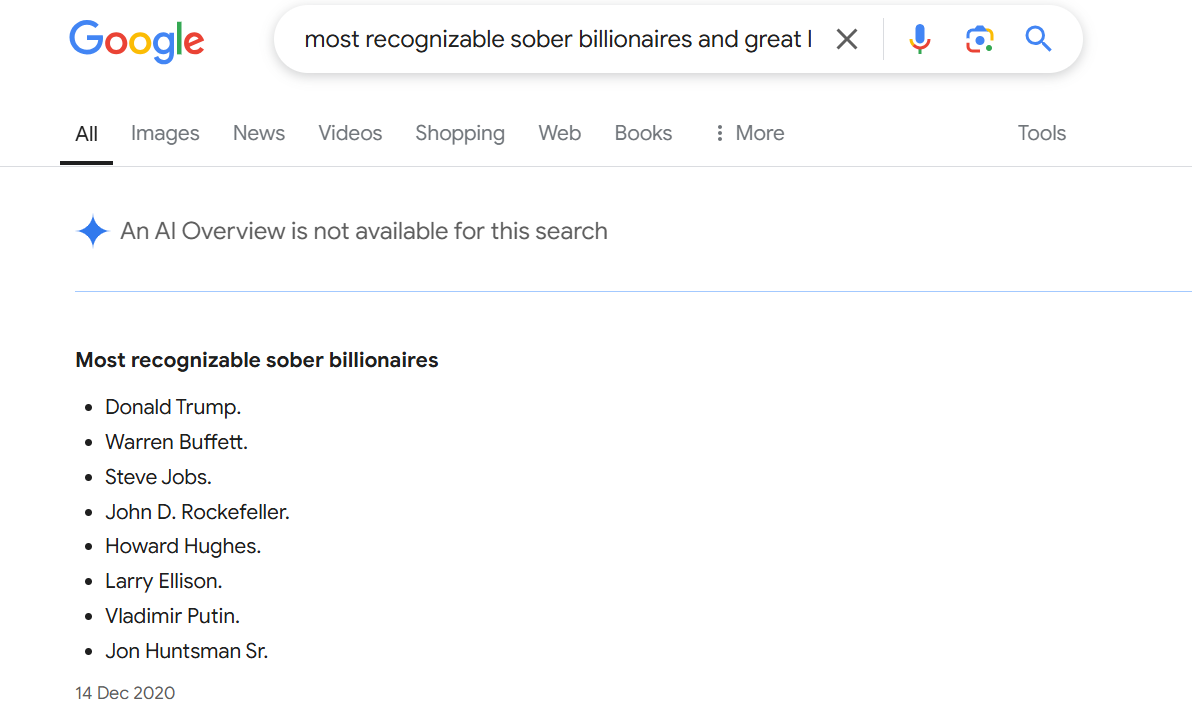
I hope this Screenshot have breakdown your myth of Drinking Alcohol and Smoking is a so-Called Social Status or an Elite Class habit.
As students, it’s unrealistic to think that adopting behaviours like drinking or drug use will somehow elevate us to an elite status greater than that of these extraordinary
personalities. This misconception needs to be dismantled, as true success is built on discipline, hard work, and integrity—not substance use.
I hope this perspective helps break the myth that drinking alcohol or smoking is a symbol of social or elite class status.
Peer Pressure—Do You Really Need to Take It Seriously?
Peer pressure is undeniably a powerful influence, especially when it comes to behaviours like drug consumption. But should you allow it to dictate your choices, particularly with something as harmful as drugs?
Why Peer Pressure Feels Powerful?
- Fear of Judgment: Many individuals fear being labelled as "uncool" or "different" for refusing drugs in social sittings.
- Desire for Acceptance: The need to belong is a fundamental human instinct, and some may feel that participating in drug use will solidify their social bonds.
But let’s revisit the examples of Donald Trump, Warren Buffet, Steve Jobs, and others. Who wouldn’t want to be friends with these billionaires and accomplished individuals? Not drinking alcohol or using drugs is not a barrier to building meaningful relationships.
If you bring value to the table—whether through your character, kindness, or contributions—no one will reject you simply because you choose not to drink or use drugs. True connections are rooted in mutual respect and understanding, not in shared habits like drinking.
Conclusion:
- Stress is an inevitable part of life, but how we respond to it defines our future. While drugs may offer temporary relief, they lead to dependence and harm both mental and physical health.
- The notion that drug use signifies elite status or social acceptance is a misconception. True success lies in discipline, hard work, and integrity—not in harmful habits. Peer pressure should never dictate your choices. Bringing value through kindness and character earns respect, not shared vices.
- Healthier alternatives like exercise, mindfulness, and pursuing passions can effectively manage stress while enriching life. The strength to say no reflects confidence and prioritizes long-term well-being. Choose health, clarity, and purpose—and inspire others to follow.